All Categories
Featured
Refining Strategic Cloud Asset Models
Table of Contents
Blog Laura Koetzle September 9, 2024 Upbeat budget plan expectations for 2025 will serve European leaders well, but positioning the ideal bets will be important to securing an one-upmanship. Read a few of our leading recommendations. Blog According to Forrester information, 95% of APAC innovation decision-makers expect increased IT budget plans next year.
Get insight into where to invest, where to cut, and where to explore your 2025 IT budget. Blog Brittany Viola August 13, 2024 As portfolio marketing and product management leaders head into budget plan preparation season, use these 4 action items to assist your work. Podcast Service and tech leaders expect (somewhat) larger spending plans next year.
Blog Today, Forrester released our 2025 Budget plan Planning Guides. It's constantly an amazing time when we collect study data and insights from our client discussions to produce a set of collective recommendations that B2B marketing executives should consider for the year ahead. Read below for this year's key preparation guide highlights.
Get practical recommendations on where to spend your tech budget in 2025 to achieve better company results. Blog site Getting client experience back on track will require doubling down on what matters most to consumers. Check out a few of our suggestions for 2025.
Top Tips for Efficient Resource Governance in 2026
IT budget plan preparation is essentially the technique a business utilizes to approximate, designate and manage its spending on technology so that it can achieve its organization goals. This implies initially learning present and future IT requirements like hardware, software, cloud services, cybersecurity, and workers and then designating cash to each accordingly.
Also, a great IT budget strategy makes it possible for a company to cater for its growth, lessen threats, and be versatile enough in terms of technological changes. The old frame of mind of "replace hardware, renew licenses, fix what breaks" no longer fits today's landscape. Technology now touches every corner of an organization: security, growth, compliance, productivity, consumer experience, and catastrophe recovery.
Cloud platforms and SaaS tools have unforeseeable billing models. In brief: 2026 is the year when reactive IT budget plans will cost more than proactive ones. If your IT budget plan procedure hasn't evolved in the last few years, this guide will assist you capture up rapidly.
A predictable spending plan matters. An intentional budget plan for IT matters is even more crucial. What to include:24/ 7 monitoring (SOC, SIEM, MDR)Next-gen anti-viruses and endpoint detectionMulti-factor authentication and identity toolsSecurity awareness trainingIncident action retainersCyber insurance (with more stringent requirements)Here's a quick IT budget example: many companies invest 1015% of their total IT spend in security layers.
Optimizing 2026 IT Finance Frameworks
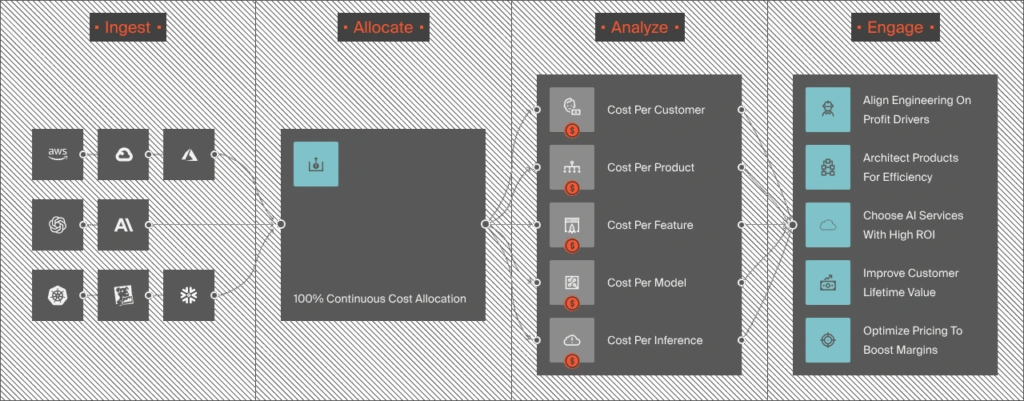
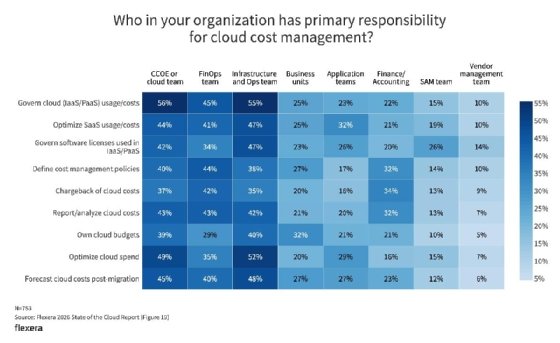
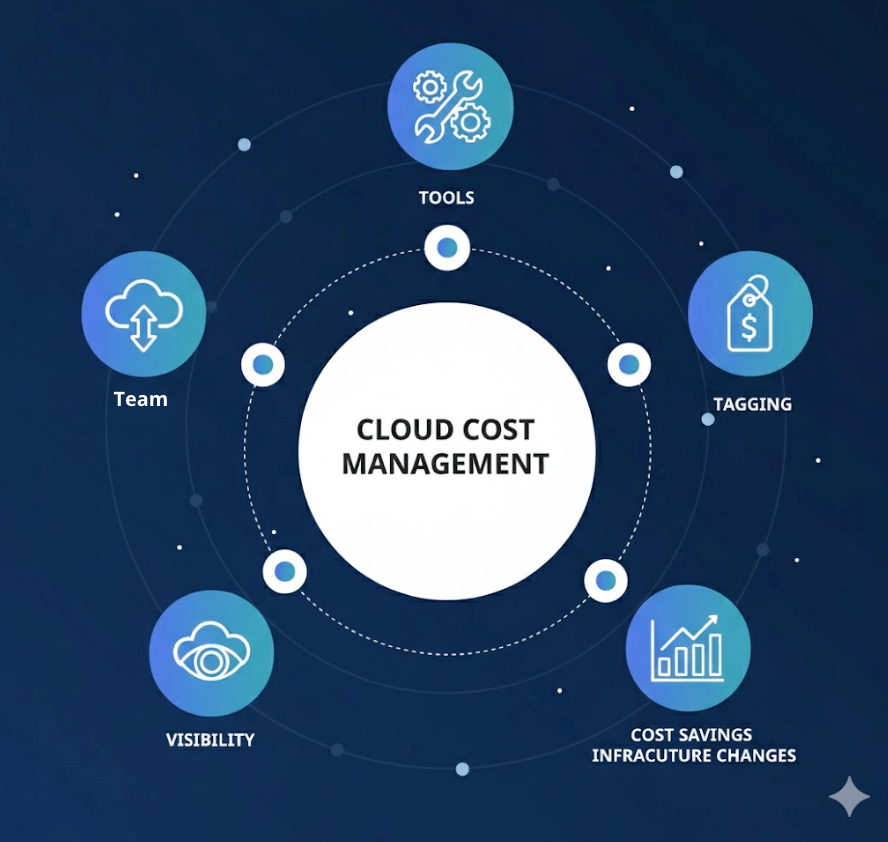
Cloud is convenient and quietly pricey when unmanaged. What businesses are experiencing: Costs increases from unused resourcesAuto-renewed SaaS memberships nobody usesStorage costs growing much faster than expectedRogue worker tools ("shadow IT")Your IT spending plan ought to specifically consist of: Cloud use monitoringSaaS license auditsReserved circumstances vs. on-demand planningRightsizing large workloadsConsolidation of redundant appsData lifecycle management to avoid storage wasteThis is where taking help from our Cloud Solutions professionals currently guiding Houston businesses get control of runaway cloud costs, optimize resources, and eliminate waste throughout their SaaS stack.
AI is no longer a future financial investment. It belongs to day-to-day operations. Businesses are using AI for: Automated helpdesk responsesSecurity hazard detectionDocument and data processingReporting and analysisProcess automation in financing, HR, and operationsYour IT budgeting need to reserve funds for: AI-enabled support toolsBusiness workflow automationAI copilots for personnel productivityTraining so workers can actually use these tools properlyCompanies executing AI effectively are seeing 2040% efficiency increases, quickly validating the line product.
Avoiding hardware revitalizes sounds like savings till: Gadget slow down employeesSupport tickets spikeOld devices present security holesSystems break at the worst possible momentA practical IT budget allocation for hardware should think about: Laptops/desktops (34 year cycle)Servers (56 year cycle)Network switches and firewallsWi-Fi upgrades (6 or 6E minimum)UPS replacementsHealthy companies don't wait on things to break.
Ransomware groups now target backups. That means the old "3-2-1 backup rules" are no longer enough. Your IT budget plan needs: Immutable backupsOffline or air-gapped copiesBusiness continuity planningQuarterly recovery testingCloud-to-cloud backup (Microsoft 365, Google Work space, etc)Recovery is no longer about restoring files; it's about restoring the whole service without paying ransom.
Your training budget must include: Cyber awareness trainingAI literacy trainingOnboarding tools for brand-new hiresIndustry-specific compliance trainingAnnual policy review and documentation updatesFor health care, finance, retail, and manufacturing, compliance failures now typically cost more than security failures. These aren't theoretical "nice-to-haves." They're useful actions growing business are currently carrying out. Before allocating dollars, define: Growth plansTeam expansionNew services/productsWorkflow changesOperational bottlenecksTechnology supports goals; it should not dictate them.

Latest Posts
Managing Hybrid Infrastructure Portfolios in 2026

Establishing Enterprise Expenditure Policy

Key Efficiency Metrics for Enterprise IT Assets